


How to Dispose of or Recycle Security Cameras and Alarm Systems
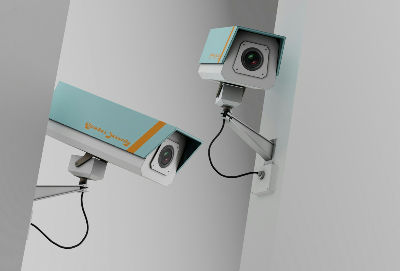
Security cameras, video doorbells, alarm hubs, sensors, keypads, smart locks, and related equipment may contain circuit boards, wiring, plastic, metal, rechargeable batteries, and personal account information. Devices from ADT, Arlo, Ring, Abode, and similar systems should not go in curbside recycling.
The best option is to reuse working equipment or take nonworking devices to an electronics recycler that confirms it accepts security equipment and battery-containing devices.
1. Protect your privacy first
Before donating, selling, returning, or recycling a device, remove personal information and disconnect it from your accounts.
Save any video clips, photos, settings, or documents you want to keep.
Remove memory cards, SIM cards, and removable storage.
Delete recorded video, snapshots, user profiles, access codes, and saved Wi-Fi information.
Sign out of the manufacturer’s app and remove the device from your account.
Disconnect linked services such as Amazon, Google, Alexa, Apple Home, or other smart-home platforms.
Perform the manufacturer’s factory-reset procedure.
For professionally monitored systems, contact the provider before removing or transferring equipment. The device may be leased, require return, or remain linked to an active account.
A factory reset is especially important for cameras, video doorbells, alarm hubs, smart locks, and other devices that may store Wi-Fi credentials, video recordings, access codes, or account information.
2. Reuse working equipment
If the system is functional and can be safely transferred, reuse is usually the best option.
Possible options include:
Sell it through a local resale platform or electronics marketplace.
Donate it to a nonprofit, community center, school, neighborhood organization, or reuse program.
Give it to a friend or family member after completing the account-transfer and factory-reset process.
Repurpose a compatible camera for wildlife observation, a baby monitor, pet monitoring, or a home project.
Before giving away a device, confirm that it can be activated by a new owner. Some equipment is tied to a subscription, original account, professional monitoring contract, or proprietary hub. Do not donate devices with damaged power cords, exposed wiring, swollen batteries, overheating parts, or broken mounts that could create a safety risk.
3. Use manufacturer or retailer programs
Check the device manufacturer and retailer before using a general e-waste program. Some companies provide trade-in, recycling, or return options.
Brand or program | Possible option |
Ring | Ring directs eligible customers to Amazon’s Home Security Trade-in Program. Eligible devices may receive an Amazon gift card and a discount toward a qualifying new device. Amazon states that devices are refurbished or recycled through certified partners. |
Arlo | Arlo directs customers to battery and electronic-waste collection points rather than household waste. It provides regional recycling contacts and asks customers to use appropriate battery and electronics collection systems. |
ADT | ADT advises customers to check local waste and recycling laws for old security devices and batteries. Contact ADT before disposal if equipment is part of an active or recently ended monitoring agreement. |
Abode and other brands | Check the company’s support page or customer service for device-specific reset, return, battery, and recycling instructions. |
Retailers | Some retailers accept limited categories of electronics or batteries, but policies differ by location. Confirm that the store accepts security cameras, hubs, doorbells, sensors, and battery-containing devices before visiting. |
4. Handle batteries safely
Many cameras, video doorbells, hubs, and sensors use lithium-ion, lithium-polymer, or other rechargeable batteries. Some use replaceable alkaline, lithium, or button-cell batteries.
Do not place batteries, or devices with built-in lithium-ion batteries, in household trash or curbside recycling. Lithium-ion batteries can ignite if crushed, punctured, or short-circuited during collection or sorting. EPA recommends safe recycling because it recovers valuable materials and helps prevent fires and pollution.
If the battery is removable
Remove it only if the manufacturer provides clear instructions.
Cover exposed terminals with nonconductive tape.
Put each battery in a separate plastic bag if the collection site requests it.
Keep batteries away from keys, coins, tools, and other metal objects.
Take the battery to a battery-recycling location or household hazardous-waste facility that accepts that battery type.
If the battery is built in
Do not dismantle the camera, video doorbell, sensor, hub, or alarm panel to remove a built-in battery unless the manufacturer or recycler specifically instructs you to do so.
Take the entire device to an e-waste recycler or household hazardous-waste program that confirms it accepts battery-containing electronics. Keep swollen, leaking, hot, punctured, or damaged devices away from heat and flammable materials, then contact the local hazardous-waste program or manufacturer for instructions.
5. Recycle nonworking equipment
For broken, obsolete, or nontransferable equipment, use an e-waste collection program that accepts the specific device.
Possible outlets include:
City or county e-waste collection programs
Household hazardous-waste facilities or collection events
Electronics recycling centers
Manufacturer mail-back, trade-in, or take-back programs
Retailer recycling programs, if they accept the item
Certified R2 or e-Stewards recyclers
Call before you go and ask:
Do you accept security cameras, video doorbells, alarm panels, sensors, hubs, keypads, and smart locks?
Do you accept items with built-in lithium-ion batteries?
Do you accept damaged or leaking devices?
Are there fees, appointments, size limits, or preparation requirements?
Should power cords, mounts, batteries, or accessories stay with the device?
EPA supports responsible management of electronics and batteries to recover materials and reduce pollution. A recycler may require the device to remain intact, particularly when it contains an internal battery.
Do not do these things
Do not put cameras, alarm systems, video doorbells, or sensors in curbside recycling.
Do not put lithium-ion batteries or battery-containing devices in household trash.
Do not cut open, puncture, crush, burn, or dismantle battery-powered devices.
Do not remove a built-in battery unless the manufacturer or recycler gives specific instructions.
Do not donate a device without removing it from your account and completing a factory reset.
Do not discard devices that may still be owned or leased by a monitoring company without checking the agreement.
Quick checklist
Back up any needed recordings or settings.
Remove SD cards, SIM cards, and detachable storage.
Delete data and factory-reset the device.
Remove it from related apps, Wi-Fi networks, smart-home platforms, and monitoring accounts.
Reuse, donate, sell, or trade in safe working equipment.
Recycle nonworking equipment through a program that specifically accepts security devices.
Recycle removable batteries separately.
Keep devices with built-in batteries intact unless instructed otherwise.
Confirm acceptance requirements before traveling to a retailer, recycler, or hazardous-waste facility.
⚠️ Safety Disclaimer: Connecting The Dots Project provides this information for general educational purposes. Local disposal rules and recycling requirements vary by location and device type. Follow manufacturer instructions, monitoring-company requirements, and local regulations. Do not dismantle electrical, hardwired, or battery-powered security equipment unless you are qualified and specifically instructed to do so by the manufacturer or receiving facility.
